Italian Gardens
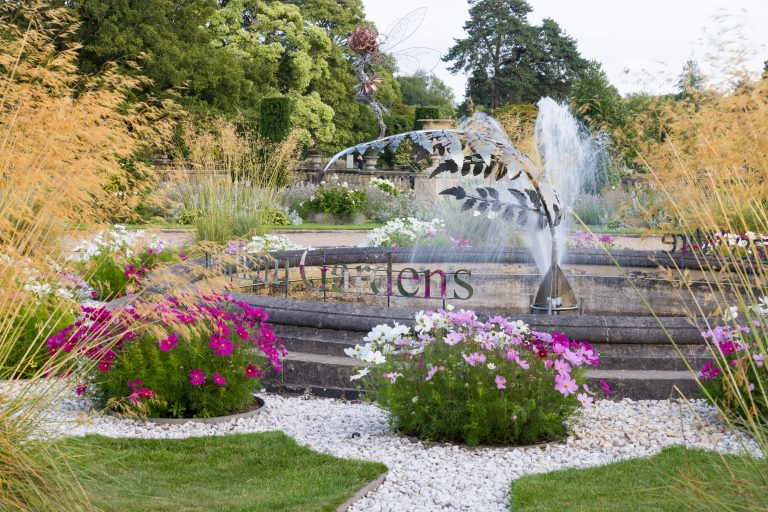
The Italian Gardens are set within Sir Charles Barry’s original 19th-century Italianate framework, reimagined for today.
Shopping Village
10am – 5:30pm
Gardens
Members:
8am – 6pm
General Admission:
9am – 6pm
Last entry:
5pm
Restaurants
Individual opening times apply

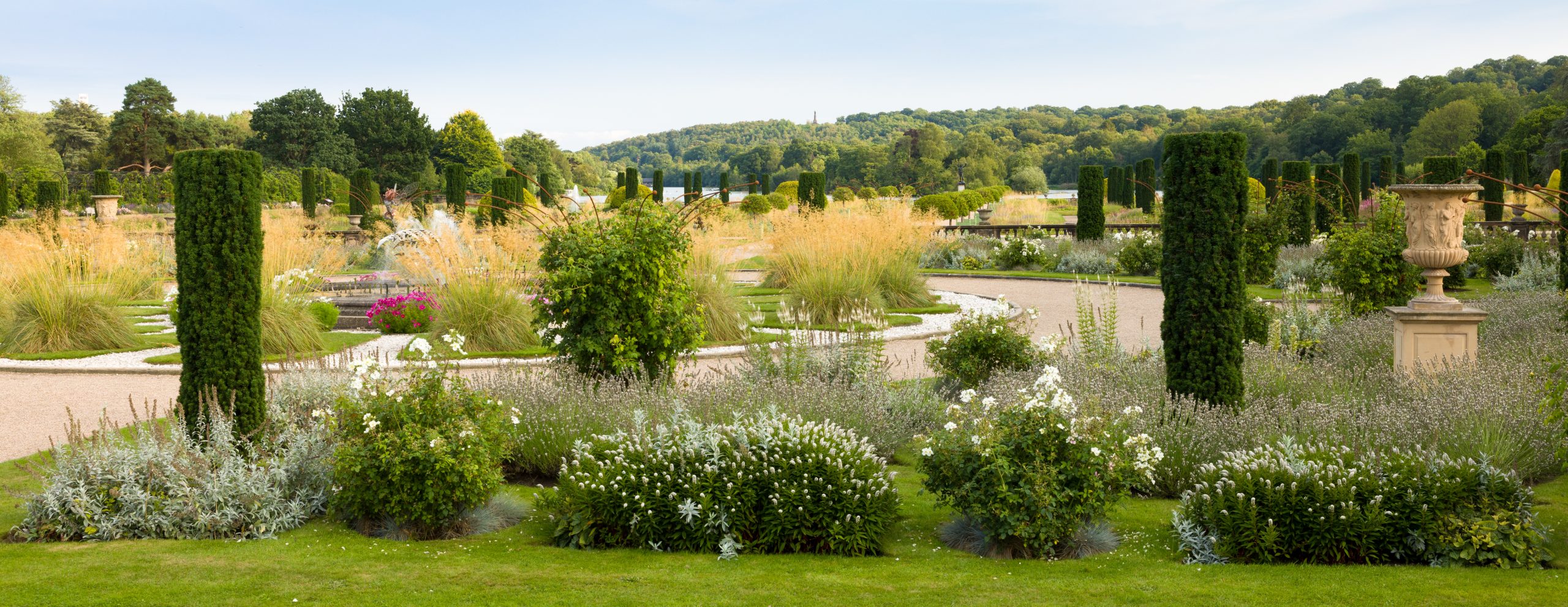
The Italian Gardens are set within Sir Charles Barry’s original 19th-century Italianate framework, reimagined for today.
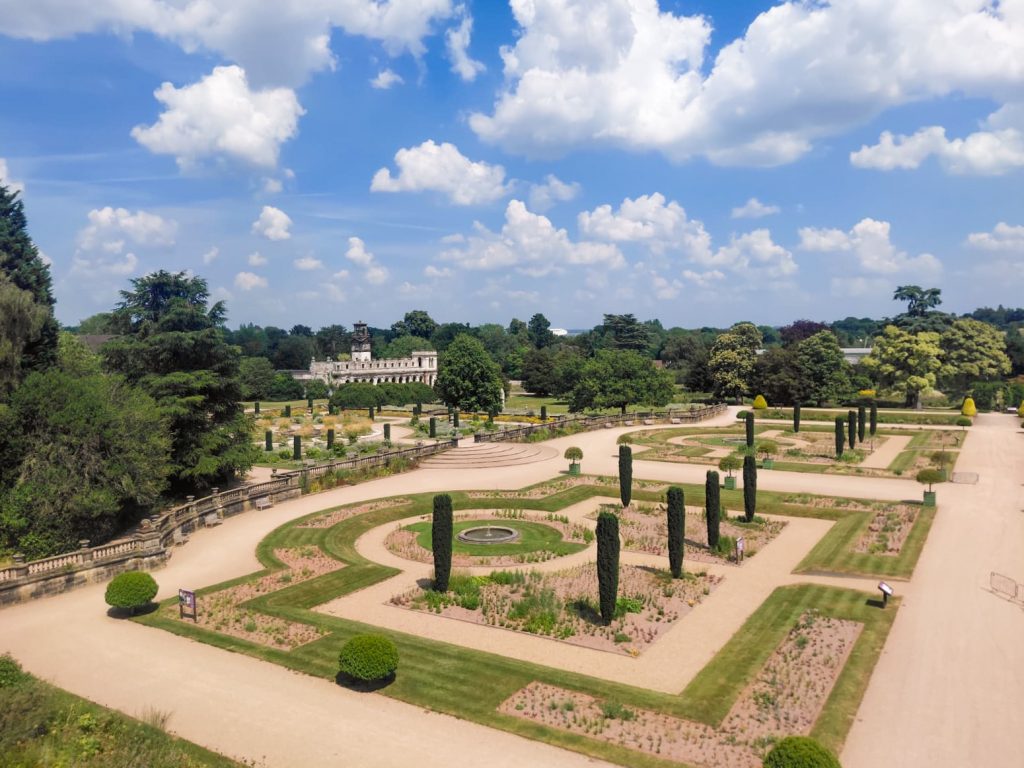
Trentham’s Italian Garden is undergoing an exciting transformation with renowned designer Tom Stuart-Smith. Over the coming years, the garden will be replanted with resilient, long-lived perennials, creating a vibrant landscape that can thrive in our changing climate. Planting is currently underway following earlier groundwork preparing the beds.
Find out more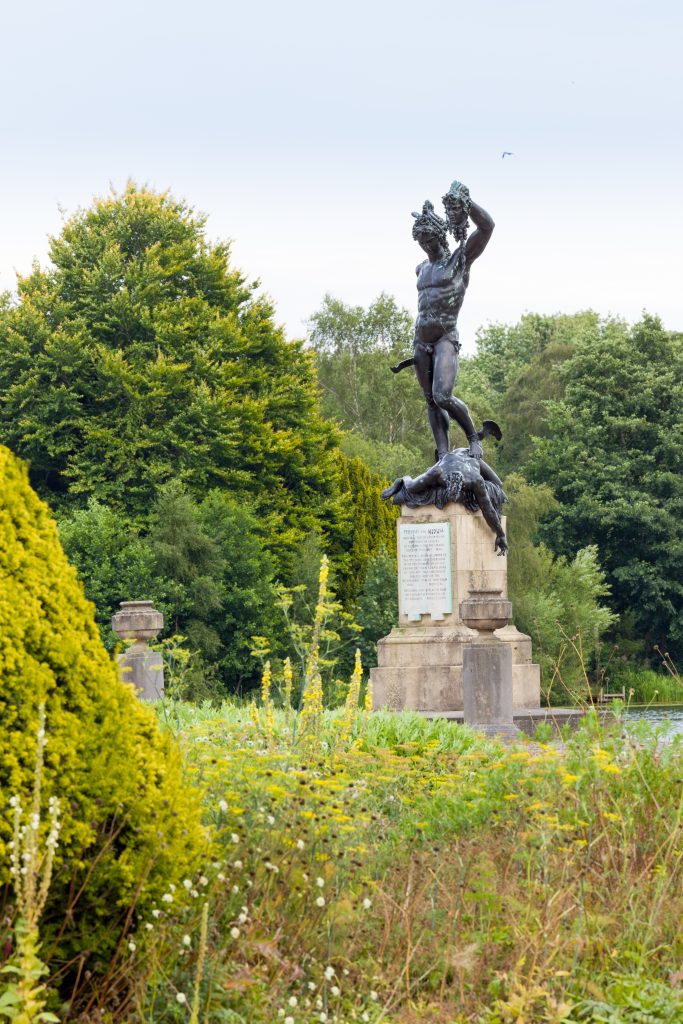
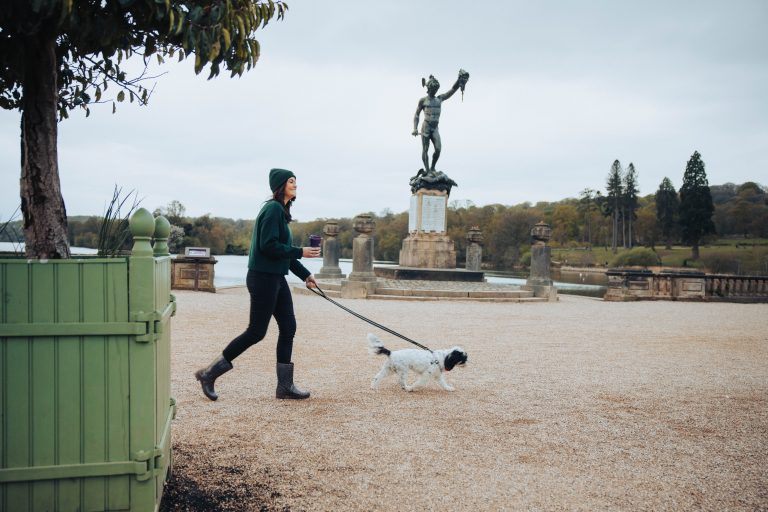
At the head of the Italian Gardens stands the dramatic statue of Perseus holding the head of Medusa. This iconic sculpture is a 19th-century copy of Benvenuto Cellini’s celebrated 1550s masterpiece, now housed in the Loggia dei Lanzi in Florence.
Commissioned by the 2nd Duke of Sutherland, the bronze replica was one of the largest free-standing sculptures in the UK at the time, and remains a powerful focal point within the gardens today.
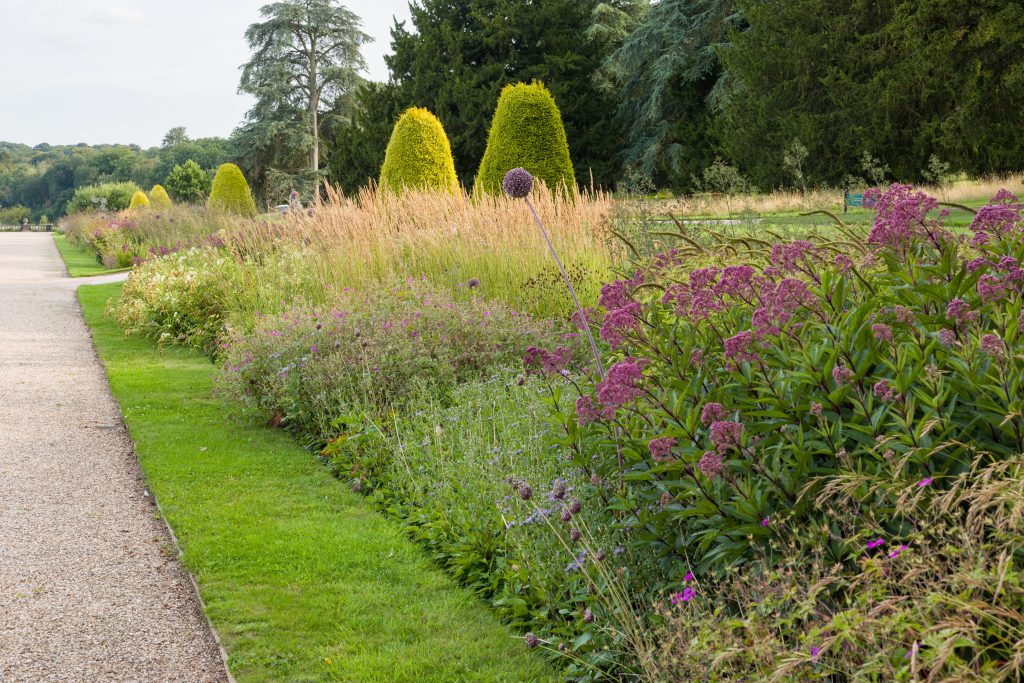
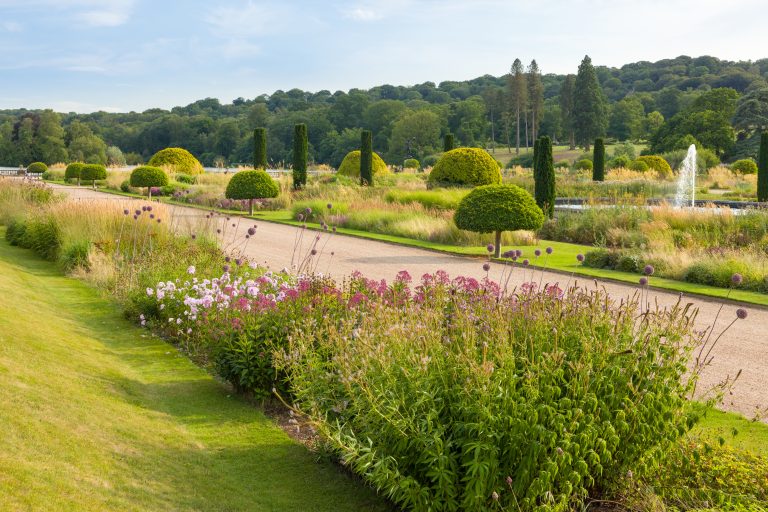
Flanking either side of the Italian Gardens are two 120-metre-long borders designed by renowned Dutch plantsman Piet Oudolf.
Planted with species such as salvias, echinacea, phlox and ornamental grasses, these borders complement the central planting by Tom Stuart-Smith. Together, they create a harmonious blend of structured design and naturalistic planting.
As part of the Italian Gardens: The Next Chapter project, ongoing work in 2026 focuses on refining the planting to more closely reflect Piet’s original vision. This includes the introduction of perennial tulips and alliums to enhance seasonal interest, alongside careful editing of the beds to restore balance, structure and long-term resilience.
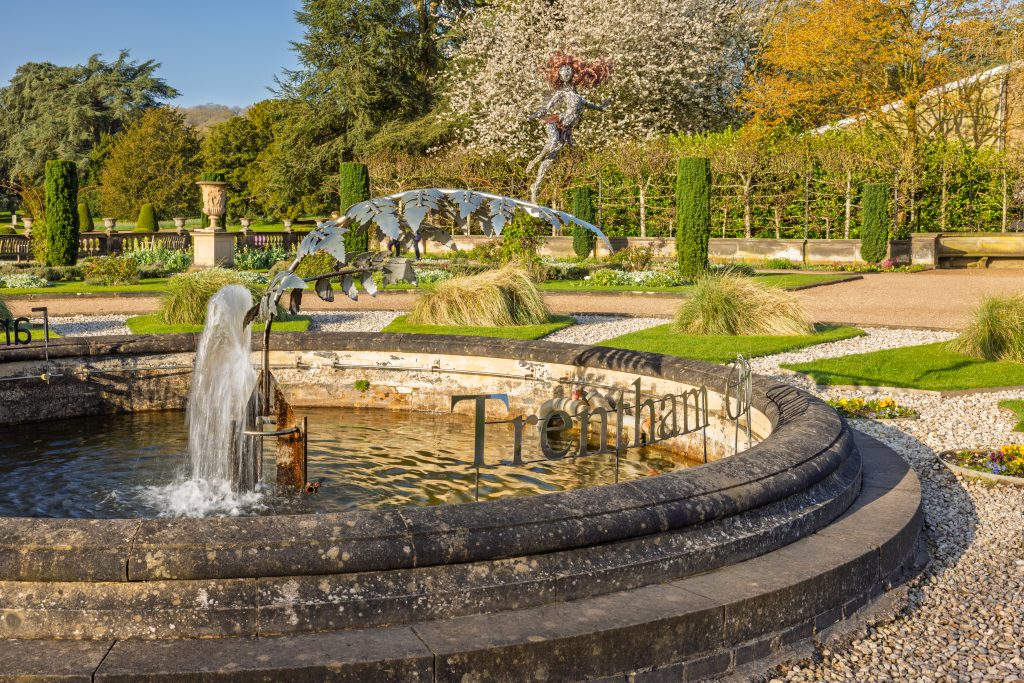
Water plays a dramatic role in the Italian Gardens. There are seven fountains in total, all drawing water directly from Trentham Lake. The largest fountains measure 10 metres in diameter, with jets reaching heights of up to 7 metres, adding movement, sound and spectacle throughout the garden.
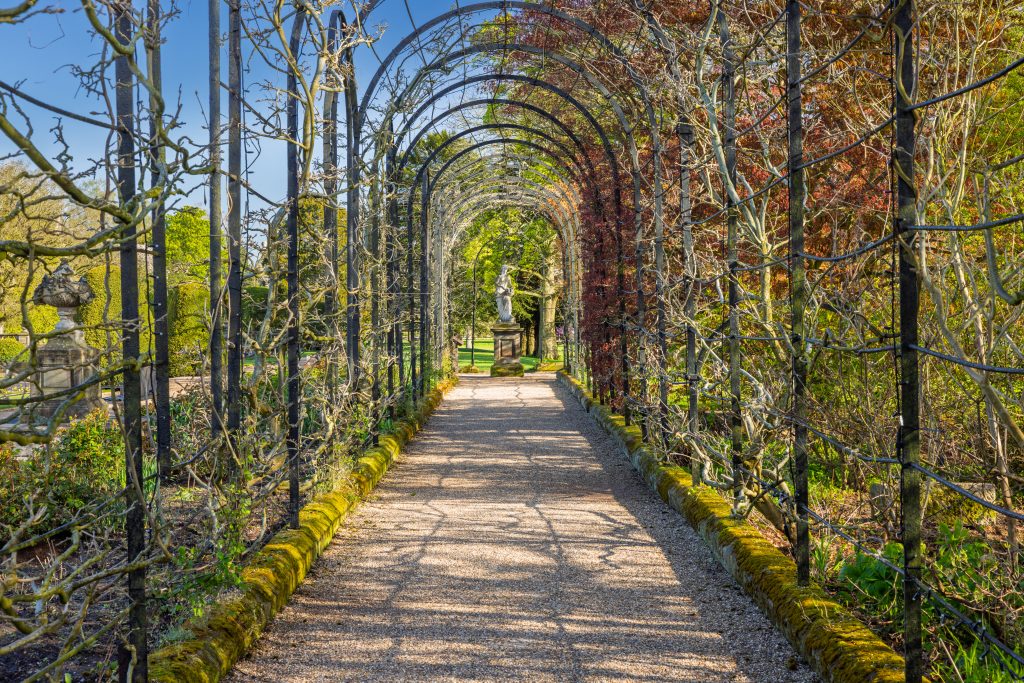
The Trellis Walk was originally designed in 1847 by George Flemming and carefully restored during the 2004 regeneration of the Gardens. Stretching approximately 100 metres, it is clothed in scented climbers, including wisteria, and forms a visual link between the Italian Gardens, the David Austin Rose Border, and the Eastern Pleasure Grounds.
From the viewing mounds beside the Trellis Walk, visitors can enjoy elevated views across the Floral Labyrinth and Rivers of Grass. Sculpture features prominently here, including a statue of Hygieia, the Greek and Roman goddess of health, positioned at the northern end of the walk.
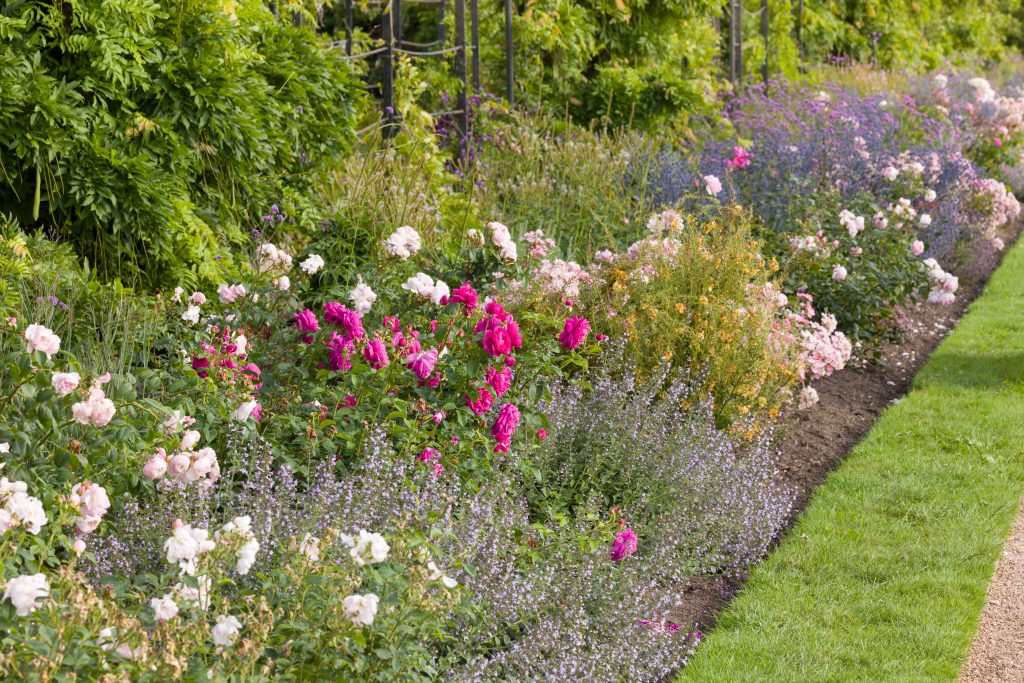
In 2024, Trentham Gardens began an exciting new collaboration with David Austin®, Roses as part of the The Next Chapter Project.
Planted along the Trellis Walk, the 100m David Austin Rose Border has been thoughtfully designed to celebrate the beauty, fragrance, and performance of English Roses within a contemporary garden setting. Carefully selected varieties have been chosen for their repeat flowering, health, and reliability, ensuring a long season of interest.
The design integrates structured rose planting with flowing drifts of herbaceous perennials and seasonal bulbs, creating a layered and immersive experience of colour, texture, and scent. This approach not only complements the surrounding landscapes but also reflects a shared commitment between Trentham, David Austin Roses, and Blue Diamond to deliver high-quality, sustainable planting that evolves and improves over time.
Find out moreDiscover the last remaining loggia and an unexpected piece of Trentham's history.
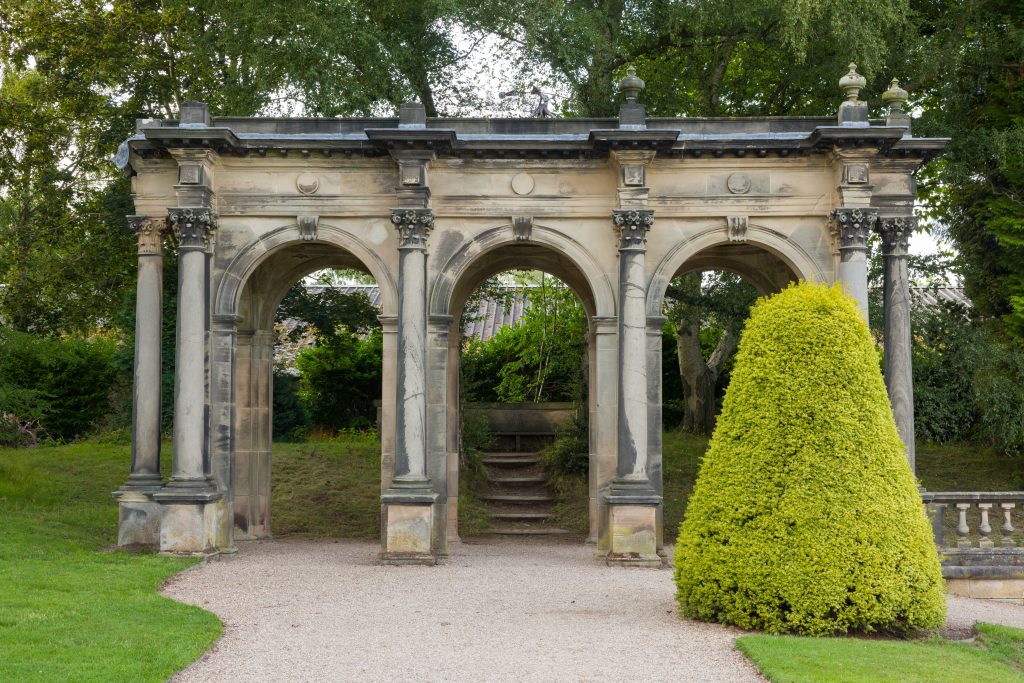
Of the four original loggias once found across the Trentham estate, only one remains today. Located to the west of the steps leading from the Upper Flower Garden, it offers a quiet place for reflection overlooking the lower Italian Garden beds.
Nearby, a more modern addition tells a different story: a sculptural fifty pence piece, gifted by the Bank of England in thanks to Trentham for housing the London Clearing Banks in the Grand Hall during the Second World War (1939–1945).

Join today for exclusive benefits for yourself, your family, and your loved ones.