Nature & Wildlife
Wildlife is at the heart of Trentham. Through ongoing conservation projects, we work with nature to protect and enhance habitats across the estate, supporting a rich variety of British wildlife and biodiversity.
Shopping Village
10am – 5:30pm
Gardens
Members:
8am – 6pm
General Admission:
9am – 6pm
Last entry:
5pm
Restaurants
Individual opening times apply

Wildlife is at the heart of Trentham. Through ongoing conservation projects, we work with nature to protect and enhance habitats across the estate, supporting a rich variety of British wildlife and biodiversity.
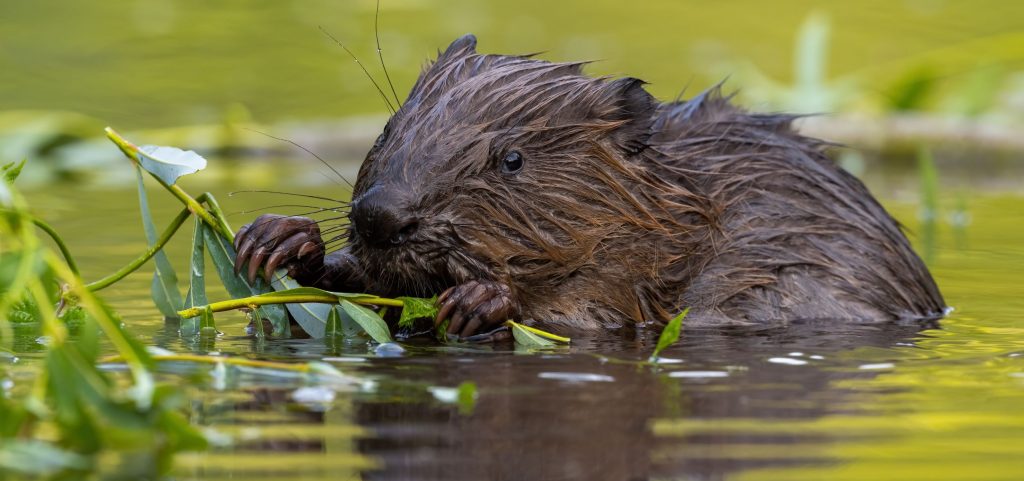
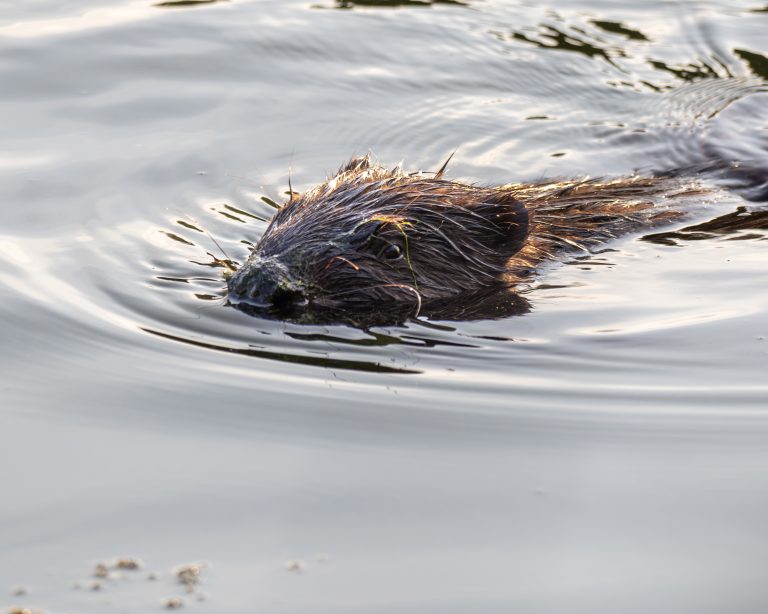
After a 400-year absence from much of the UK, Eurasian beavers returned to Trentham in March 2023 as part of a licensed enclosure and reintroduction project. A family of three beavers was carefully translocated from Scotland to help restore natural processes, enhance biodiversity, and reconnect visitors with one of Britain’s most remarkable native mammals.
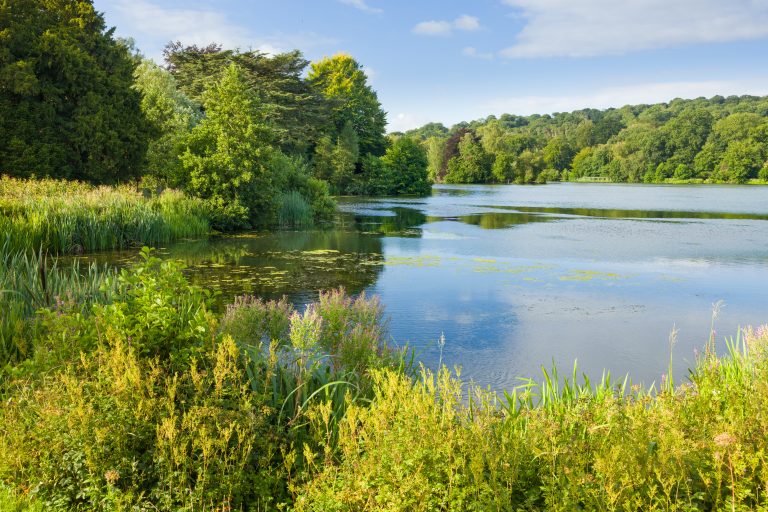
Beavers are powerful ecosystem engineers, shaping landscapes in ways that benefit a wide range of wetland species. At Trentham, their activity is already beginning to transform the lakeside environment, creating a richer more varied wetland ecosystem, opening up views across the water, and offering visitors a rare opportunity to observe beavers in a natural setting.
Discover how beavers are helping nature recover, why they matter to the ecosystem, and how you can see them in action at Trentham.
See our FAQ's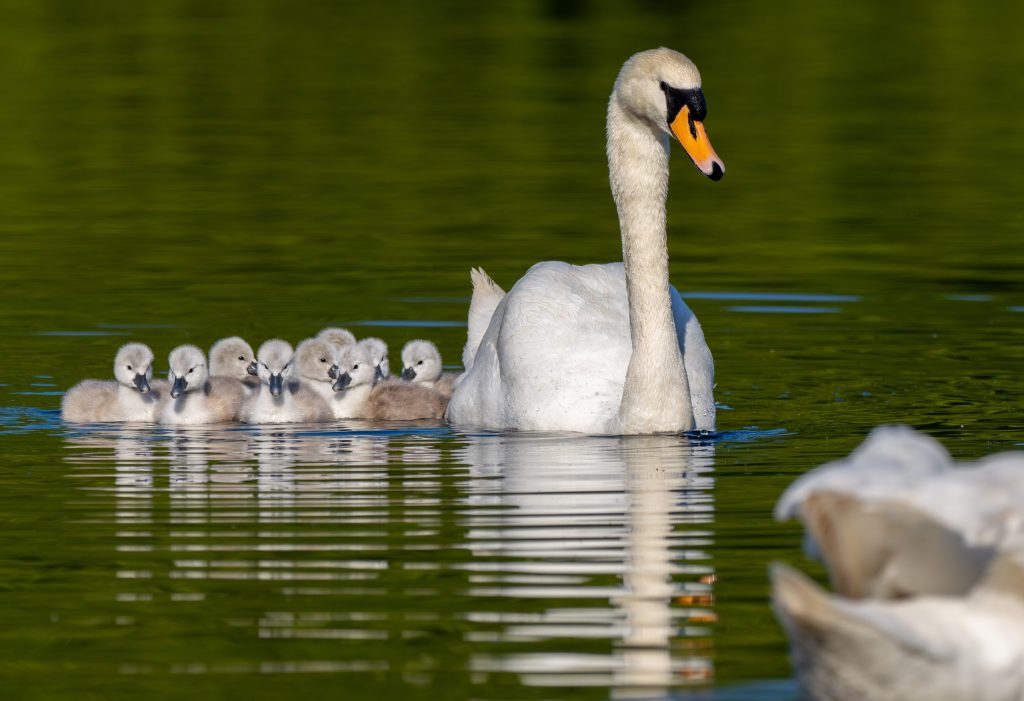
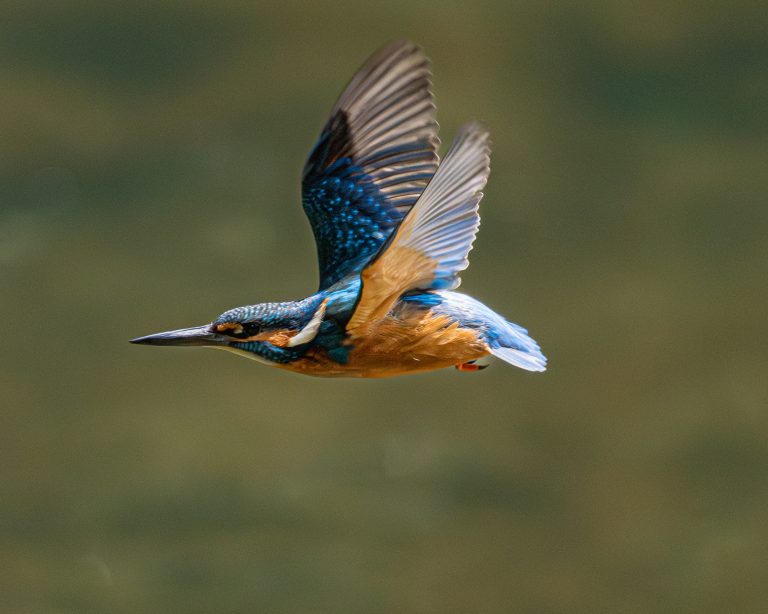
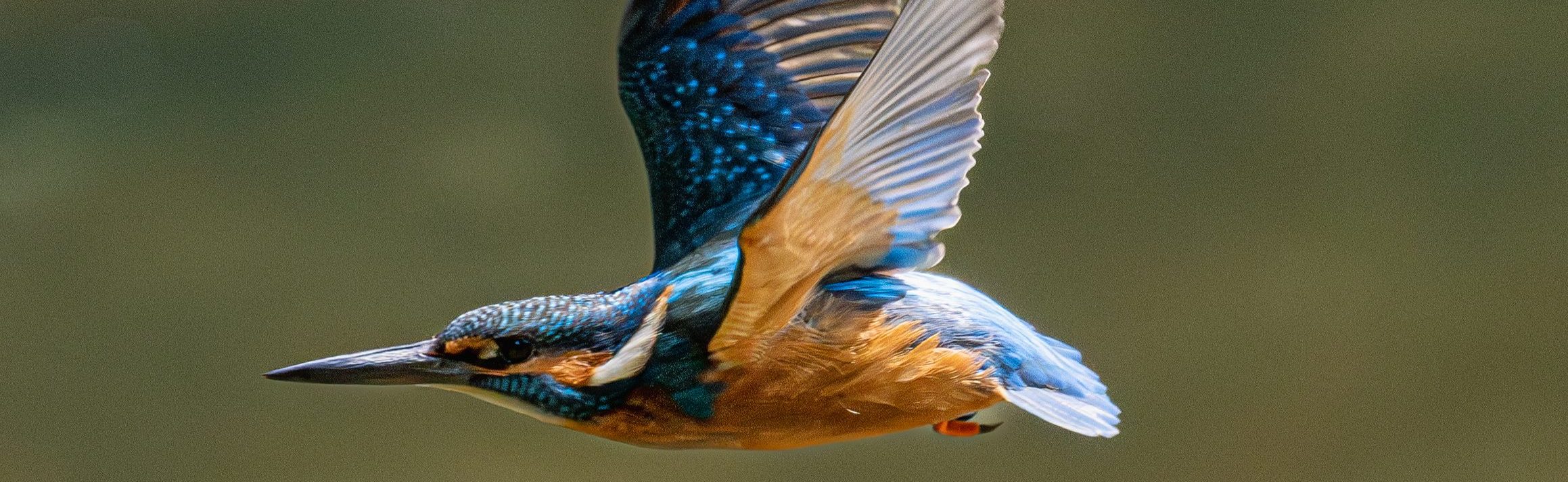
The estate’s varied habitats support a rich diversity of birdlife. The River Trent, its brooks, water meadows, lake, and islands attract over 50 species throughout the year, including a thriving heronry of 42 breeding pairs, resident kingfishers and dippers, native waterfowl, and a breeding family of Black Swans. Summer migrants also visit to nest and feed.
Over 40 breeding bird species can be found in the estate’s woodlands, including the Kingswood SSSI (Site of Special Scientific Interest), Oaks Loop, North Park and Monument Hill. All three native woodpecker species can be heard drumming and calling, alongside summer migrants such as spotted and pied flycatchers, redstarts and various warblers.
Heathland birds include stonechat, skylark, nightjar, hobby and cuckoo.
The River Trent, the adjoining park and Longton Brook, neighbouring wet grassland, Trentham Lake itself, and its four islands attract numerous bird species throughout the year, including a thriving heronry of grey herons and little egrets, resident kingfishers and dippers, and various native waterfowl.
Winter visitors bolster numbers during the colder months, while summer migrants return each year to breed and nest on the estate.
Invertebrates play a crucial role in Trentham’s wildlife and biodiversity. Flowering plants, wildflower meadows, mature trees, and wetland habitats support a rich variety of insects and invertebrates across the estate.
Trentham is a home to a great number of important pollinators such as bumble bees, solitary bees and hoverflies, alongside butterflies and moths. Nineteen butterfly species have been recorded, including Purple Hairstreaks feeding high in mature oak canopies.
Dragonflies and damselflies thrive across the estate, both in the sky as adults and in the water as larvae in a variety of ponds, streams and the lake margins, reflecting the health and quality of these wetland habitats. Woodlands such as Kingswood and North Park support rare and priority invertebrate species, with parts designated as a Site of Special Scientific Interest (SSSI).
At Trentham we champion the vital importance of deadwood as an priority habitat for so many species, both large and small. Throughout the estate we try and retain as much deadwood in situ where safe and practical. Deadwood provides diverse habitat and food for insects and invertebrates, supporting the wider food chain, and acting as a natural fertiliser for woodland ecosystem.
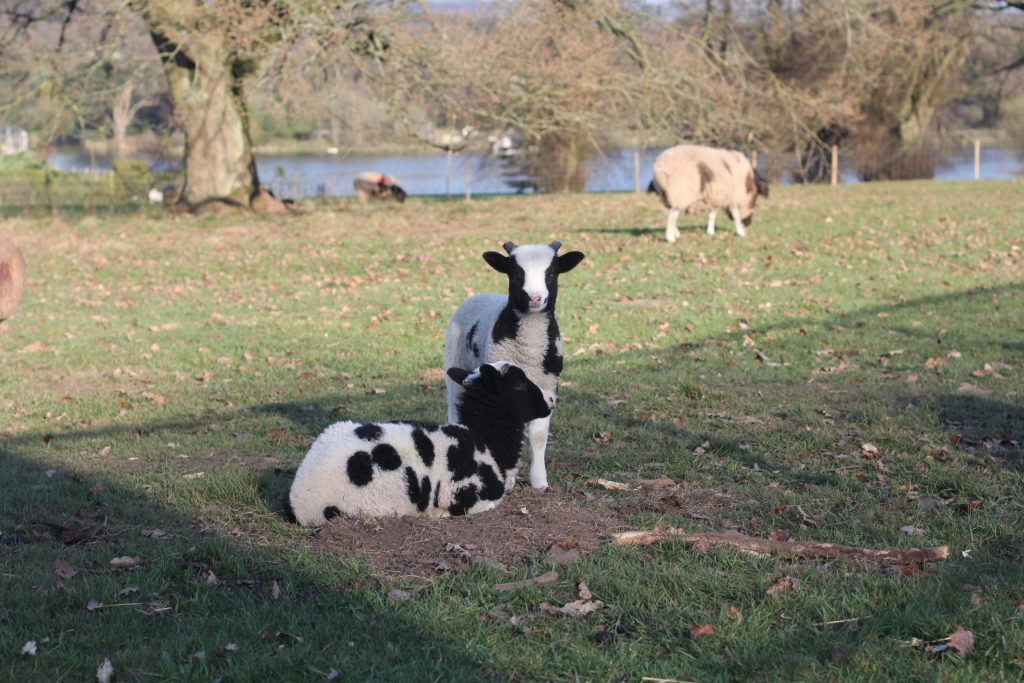
Grazing animals, including cattle, sheep, and deer, play a crucial role in managing habitats at Trentham. Through carefully managed conservation grazing, they help maintain species-rich grassland, prevent encroaching scrub growth, and support a diverse mix of plants and animals across the estate.
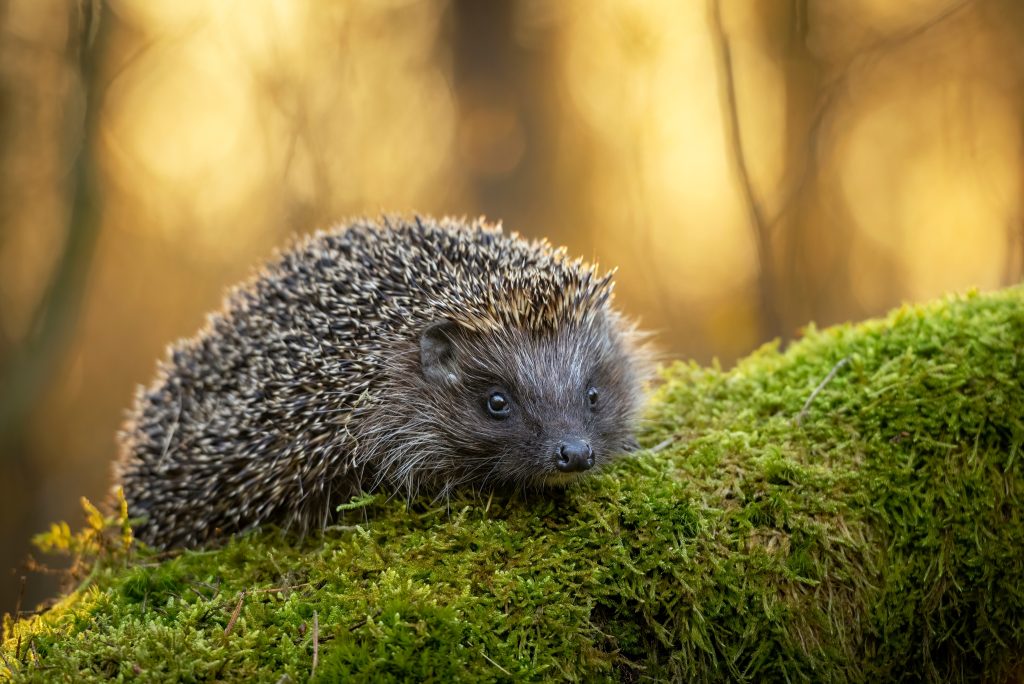
Alongside the reintroduced Eurasian beavers, Trentham supports a wide range of mammals commonly found in the British countryside. These include Red Fox, Eurasian Otter, Badger, Hedgehog, weasel, stoat, and three species of deer. Trentham is a real hot spot for small mammals, that provide a vital food source for larger mammals and birds. We have breeding populations of harvest mouse and yellow neck mouse. In the night sky there are Five bat species recorded
Small mammals are widespread, and with luck visitors may spot Weasels or Stoats. As habitats continue to improve, Polecats and possibly Pine Martens may naturally return to the estate in the future.
Adders have previously been recorded on the estate and pose little risk to visitors, though dogs should be kept on short 2-metre leads at all times. Grass Snakes are occasionally seen near the lake and gardens.
Amphibians at Trentham include, healthy breeding populations, of Common Frog and as well as smooth Newts.
Join today for exclusive benefits for yourself, your family, and your loved ones.