
Wildlife Year in Review: Looking Back at 2025
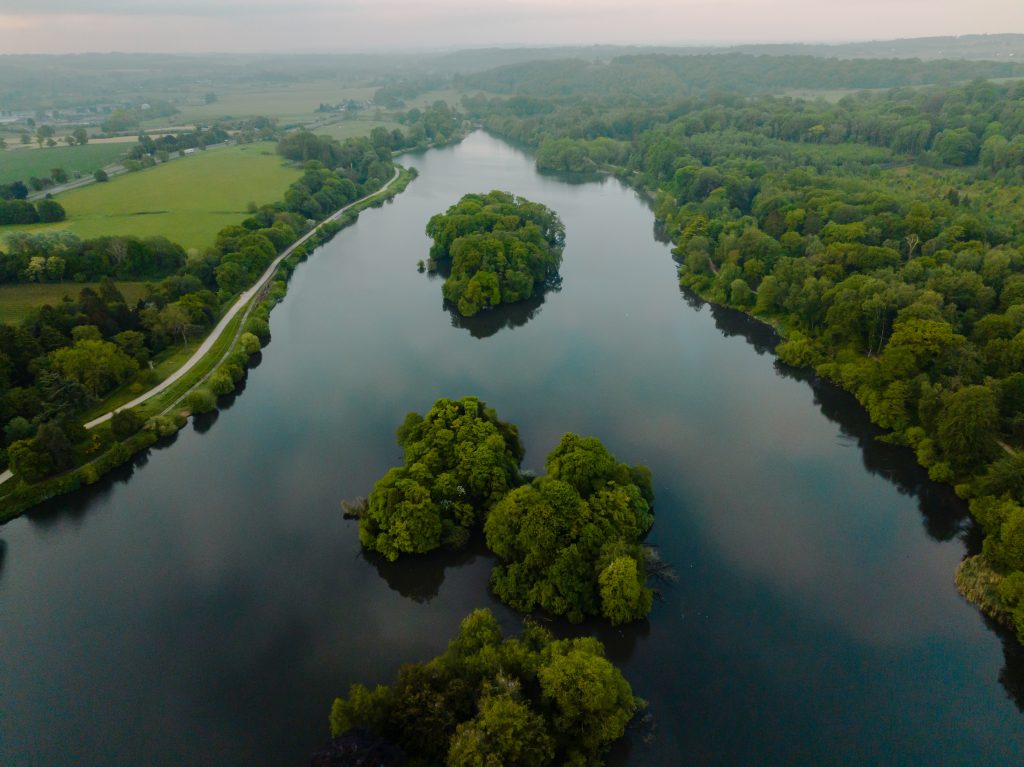
As we move into 2026, we’re taking a moment to reflect on the wildlife highlights and challenges of the past year. 2025 was marked by the hottest summer on record, with limited rainfall from May through to September. Despite these testing conditions, the lake continued to support blooms of vibrant green pondweed. Encouragingly, no high levels of blue-green algae were recorded, which is excellent news for both wildlife and water quality.
An exceptional year for trees and shrubs
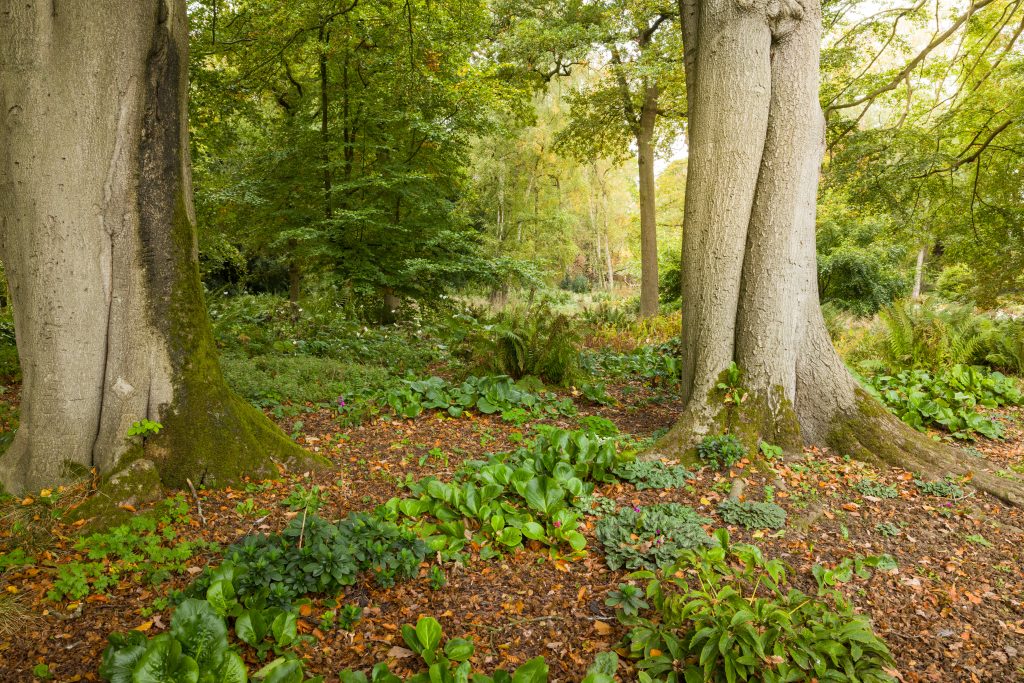
For trees and shrubs, 2025 proved to be a ‘mast year’, a period of unusually high production of fruit, nuts and seeds. These events occur every few years and allow plants to produce such an abundance of seed that, even after animals have eaten their fill, many remain with the chance to germinate.
This plentiful food supply benefited birds, rodents and mammals, helping them build vital fat reserves ahead of winter. Species such as the wood mouse are likely to see population increases as a result, with positive knock-on effects throughout the food chain. Some theories suggest ‘mast years’ are linked to specific weather patterns, and the combination of temperature and rainfall at key points in 2025 may explain the successful fruiting we observed.
A challenging year for Fungi
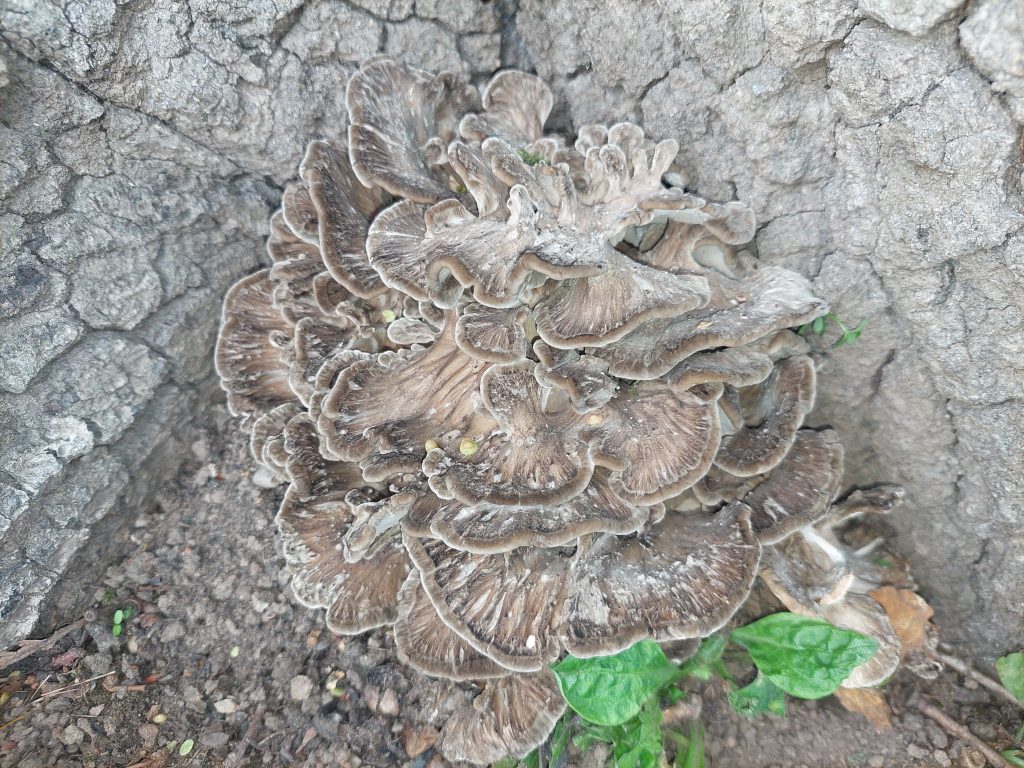
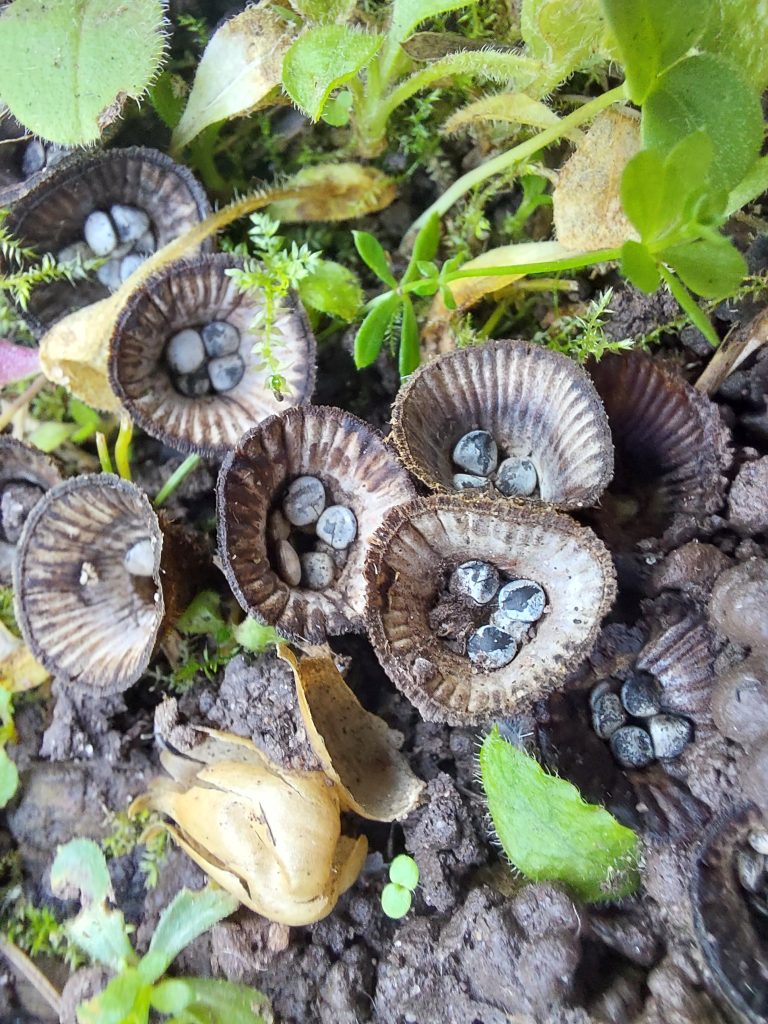
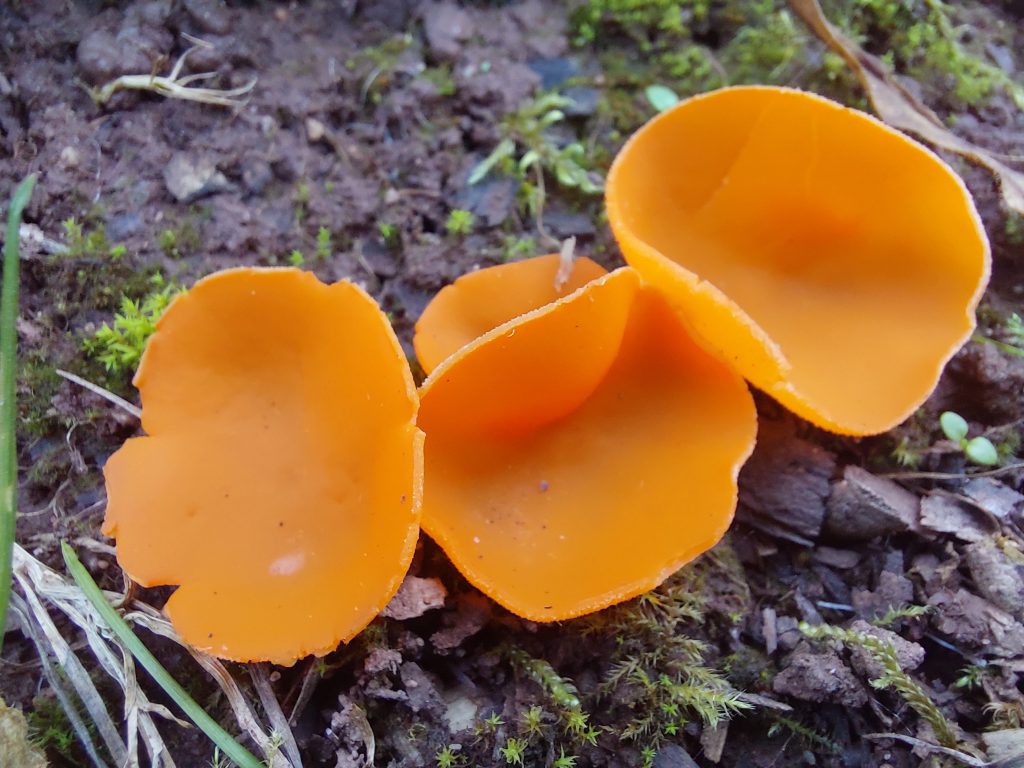
While trees thrived, fungi emergence was far less predictable due to the lack of rainfall. Even so, our October Fungi Walks delivered some excellent finds, including Hen of the Woods, Fluted Bird’s Nest Fungi, Orange Peel Fungi and, of course, plenty of Fly Agaric.
New Damselfly species recorded
Birdlife flourished across the site throughout the year. A flock of four parakeets was regularly seen and heard during the summer months, their bright green plumage adding an unexpected splash of colour.
Our Mute Swans had a particularly strong breeding season. One pen (female), known to many followers on social media as Melissa, successfully reared an impressive nine cygnets. The Black Swan pair also reared three cygnets, although sadly these were later lost following an aggressive Mute Swan cob attack. More recently, the Black Swans have been showing territorial behaviour, chasing juvenile Mute Swans, so we’re hopeful for a more successful brood in the year ahead.
Elsewhere on the lake, we recorded successful broods of Oystercatchers and Great Crested Grebes. One sharp-eyed visitor even discovered a Tawny Owl nest, which successfully fledged three chicks.
New wings on the water’s edge
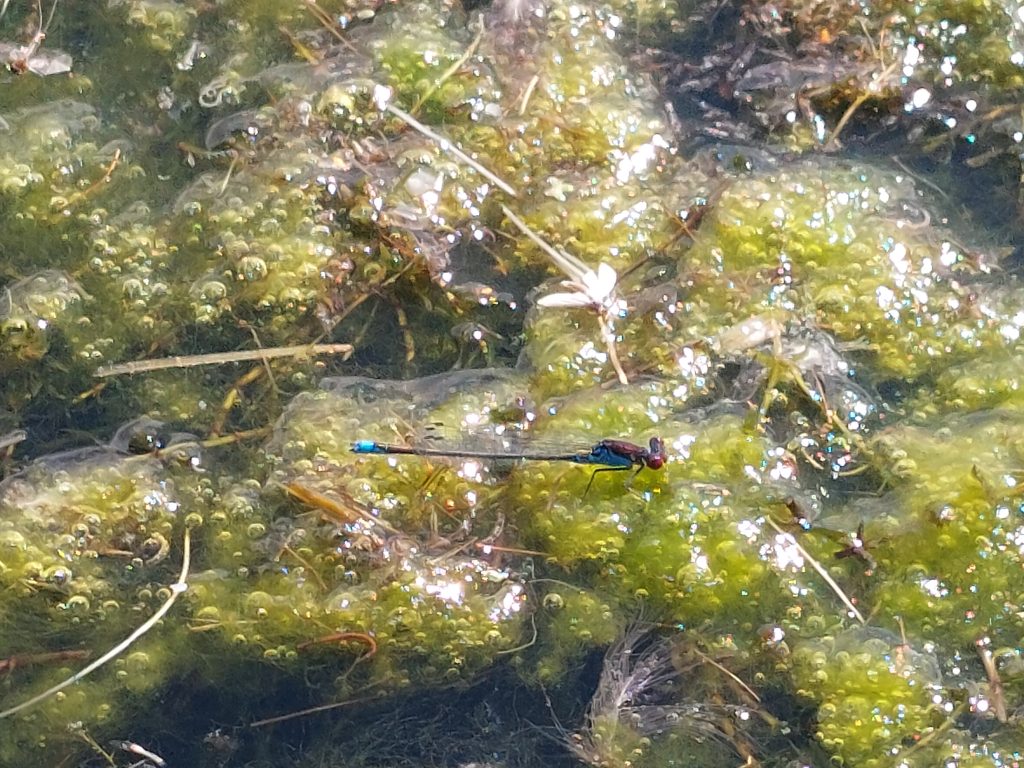
Two damselfly species were recorded on site for the first time in 2025: the Willow Emerald Damselfly and the Small Red-eyed Damselfly. This brings our total to eight damselfly species, alongside nine species of dragonfly.
Both newcomers are currently expanding their range northwards and north-westwards across the UK, and we hope these sightings signal the start of breeding populations here.
Wildlife sightings from the hide
The new Kingfisher & Otter Hide proved extremely popular, leading to many successful sightings throughout the year. Both species were regularly observed and photographed.
Most excitingly, the resident female otter gave birth to three pups, which were seen along the River Trent – a real highlight of the year.
Busy engineers and close encounters
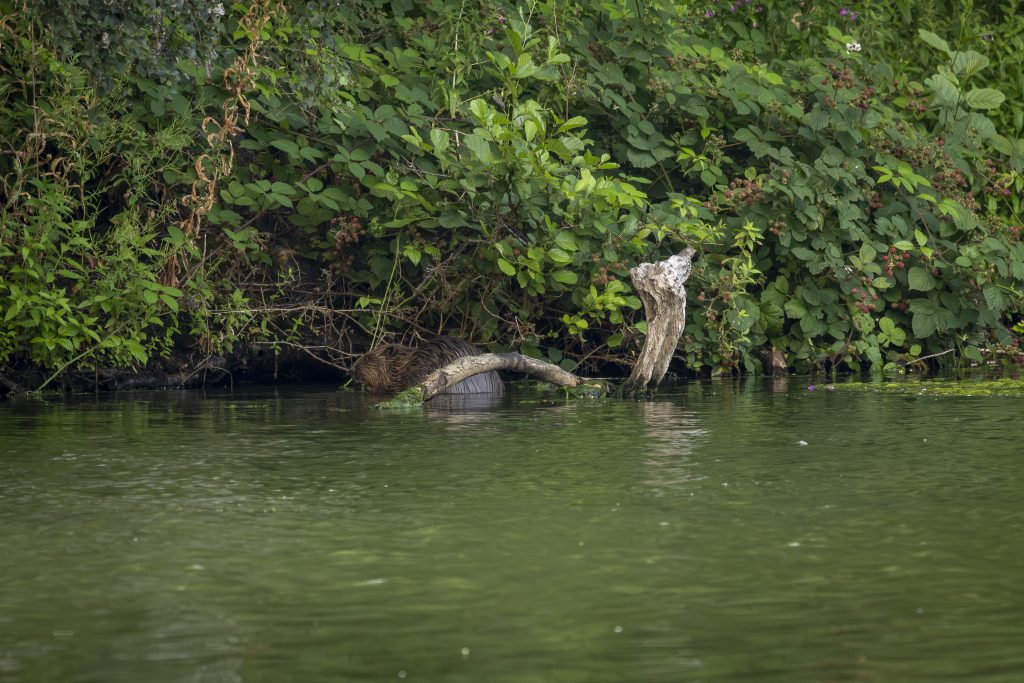
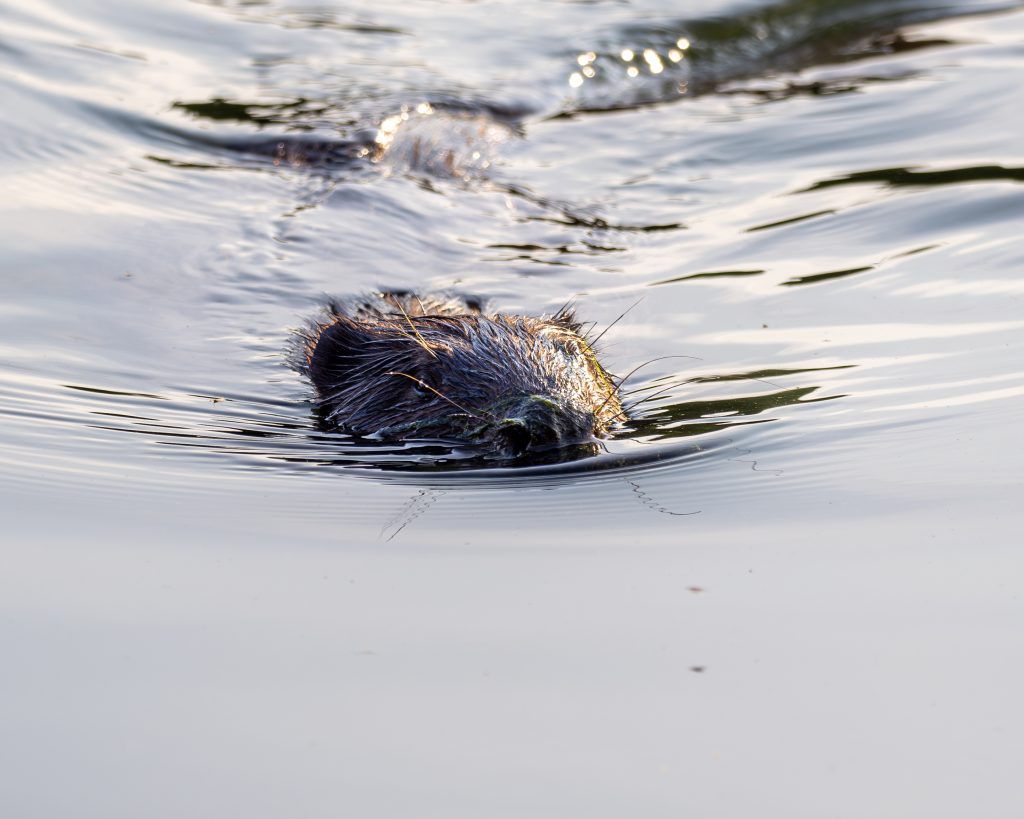
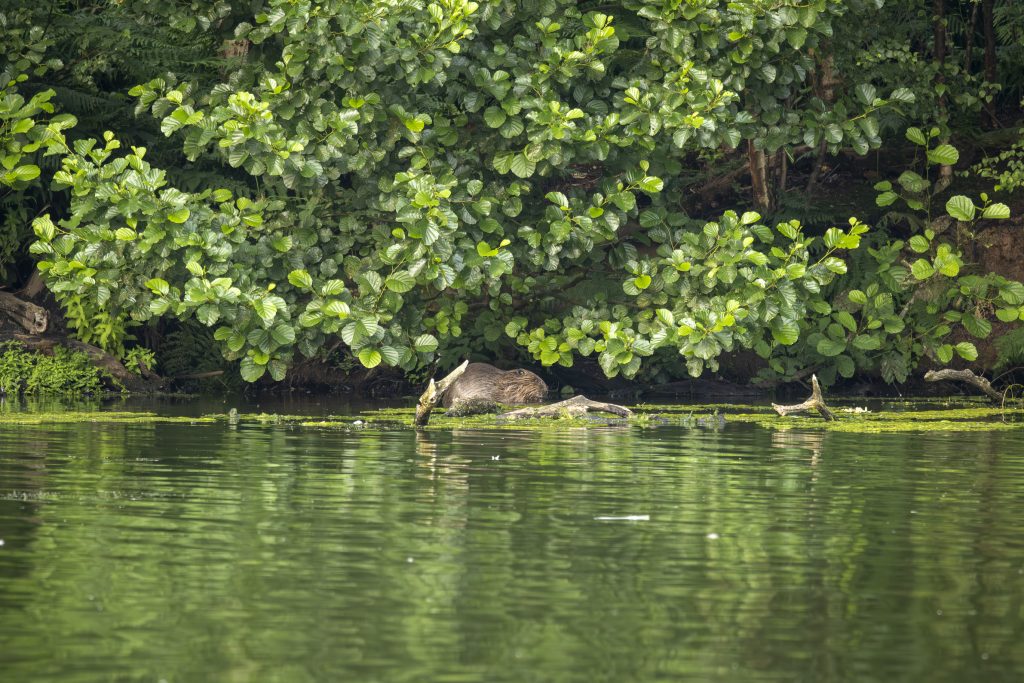
The Beaver Safari season was another great success, with sightings on almost every safari. Visitors watched beavers feeding on and around Beaver Island, with occasional close encounters along the east side of the lake, including a memorable sighting during the Dawn Chorus in May.
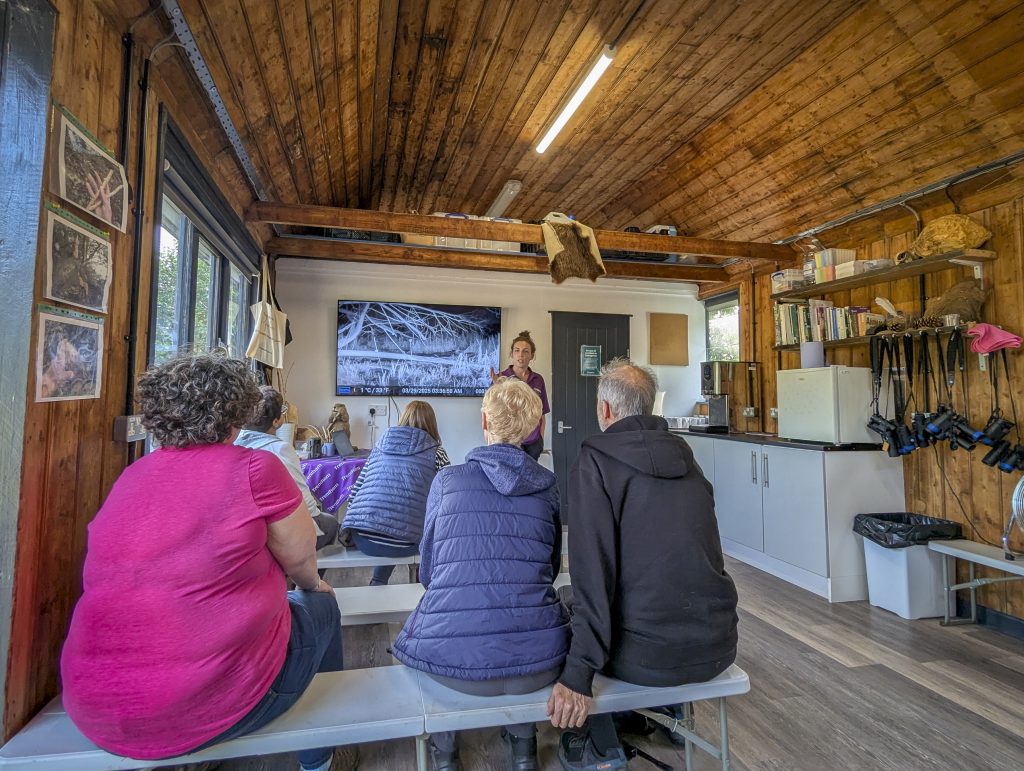
In October, the beavers constructed a dam at Spring Valley. Camera traps have since captured regular footage of beavers maintaining the structure, alongside other wildlife such as Little Egrets and Otters making use of the new habitat.
Inspiring the next generation of nature lovers
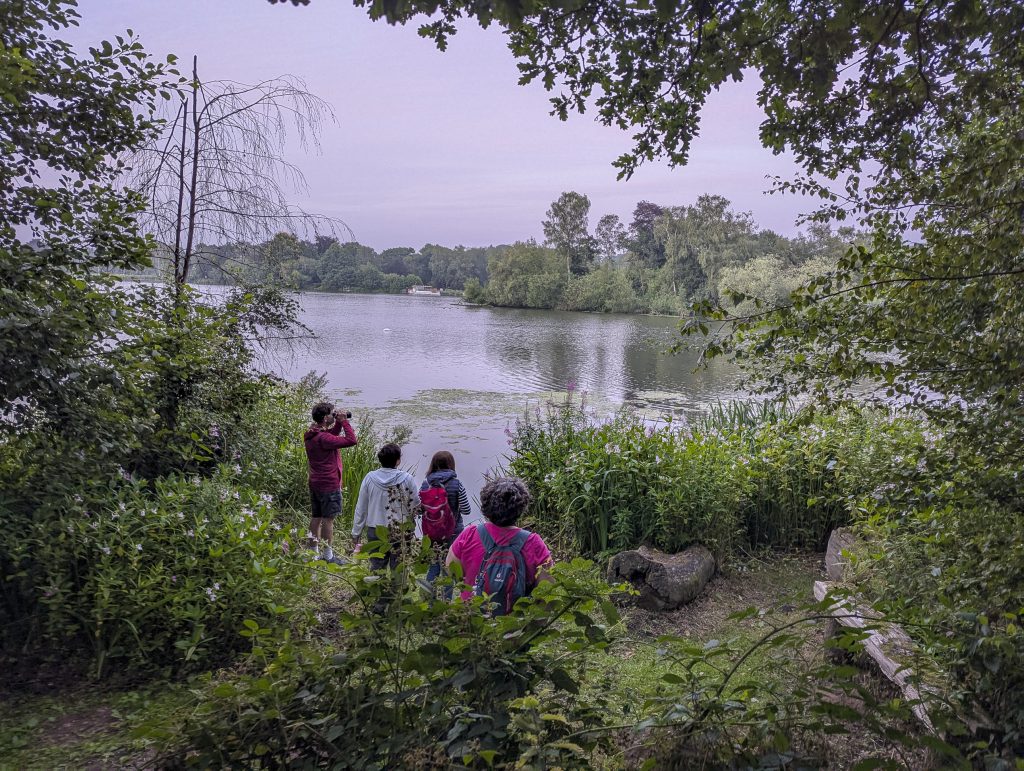
Throughout 2025, we welcomed 3,671 school children through our wildlife education programmes. Pupils explored the natural world through pond dipping, minibeasting and a wide range of outdoor activities.
As we look ahead, we’re developing new educational programmes and planning an exciting programme of wildlife events for 2026.
For the latest wildlife updates, events and news, follow us on social media and sign up to our newsletter.